
Maintenance strategy
How can you reduce maintenance costs without increasing failures?
Identify unnecessary tasks, review intervals and protect reliability with a practical method, worked example and checklist.
Read the article
Blog
Our thinking on strategic planning, communication and leadership in service of industrial operations.
Identify unnecessary tasks, review intervals and protect reliability with a practical method, worked example and checklist.
Read the article
Before adding another inspection, investigate the failure mode, execution quality and operating conditions.
Read the article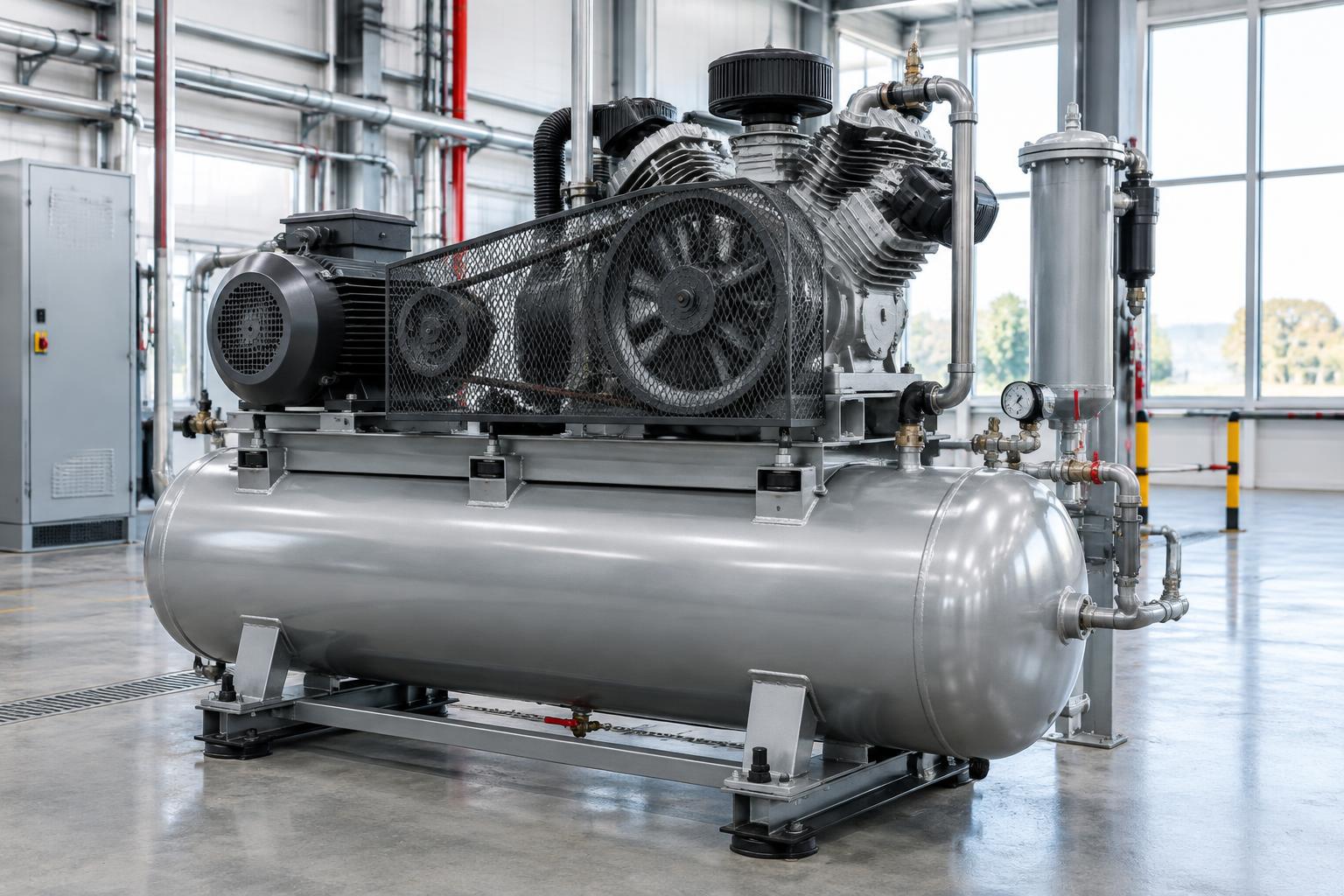
Compare approaches by criticality, available data and existing plans without confusing a focused review with full RCM.
Read the article
Separate preparing work from placing it on the calendar: responsibilities, a weekly workflow and handling urgent jobs.
Read the article
Before replacing your CMMS or adding AI, check asset structure, work orders and failure codes.
Read the article
Understand cost drivers, compare scopes and ask for prioritized findings with an actionable implementation roadmap.
Read the article
Build a transparent calculation with a baseline, full costs, realized benefits, sensitivity and no double counting.
Read the article
Combine failure consequences, lead times, redundancy and repairability rather than ranking spare parts by price.
Read the article
Connect alarms to events and work orders, test hypotheses and separate maintenance analysis from safety decisions.
Read the article
Choose by failure behaviour, criticality and time to act; a sensor does not replace a maintenance program.
Read the article
How operators can contribute through inspections, anomaly reporting and approved routine care — with a responsibility matrix defining training, escalation and the limits between operator tasks and specialist maintenance.
Read the article
Compare a permanent hire, a defined consulting engagement and temporary reinforcement: which option suits a vacant role, a specialist project or an ongoing workload — including knowledge transfer and internal ownership.
Read the article
Assemble, identify and verify parts and tools against a planned job: missing components, storage, substitutions and unused-part returns — with a checklist for deciding whether a kit is ready.
Read the article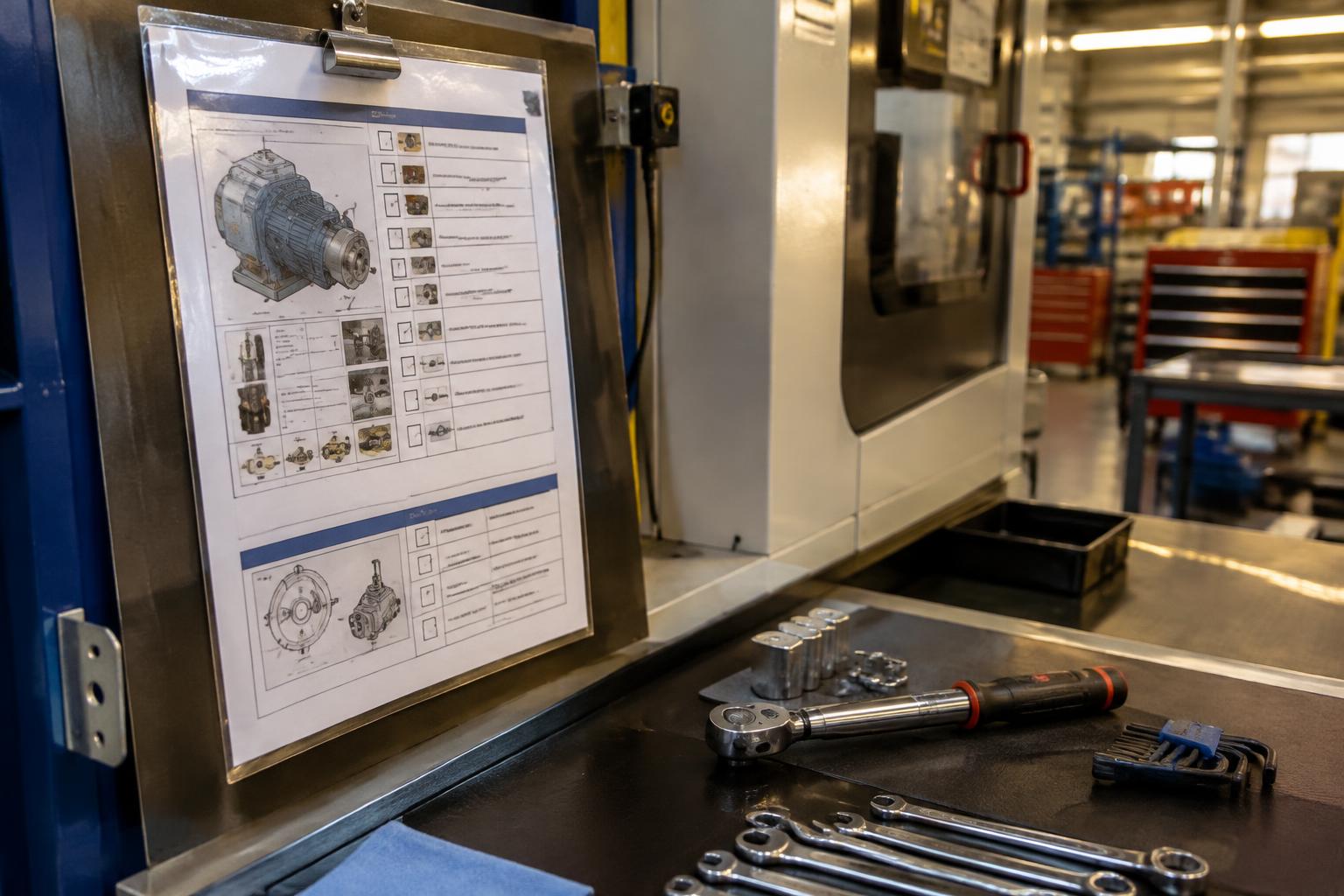
What makes an instruction usable on the plant floor: clear tasks, required tools, estimated time, acceptance criteria and references to approved safety procedures — with an annotated example and technician validation.
Read the article
Compare repair, refurbishment and replacement using lifecycle costs, condition, obsolescence and production constraints — with a worked decision table that makes assumptions explicit.
Read the article
What maintenance teams need before accepting a new installation: equipment records, documentation, maintenance plans, spare parts, training and responsibilities — with a project-to-operations handover checklist.
Read the article
Define scope, prepare work packages, coordinate contractors and organize return to service — with a readiness checklist and a method for managing late additions that threaten the schedule.
Read the article
A practical dashboard covering reliability, availability, emergency work and schedule compliance — with each indicator's calculation, data requirements and limitations, plus a worked MTBF/MTTR example.
Read the article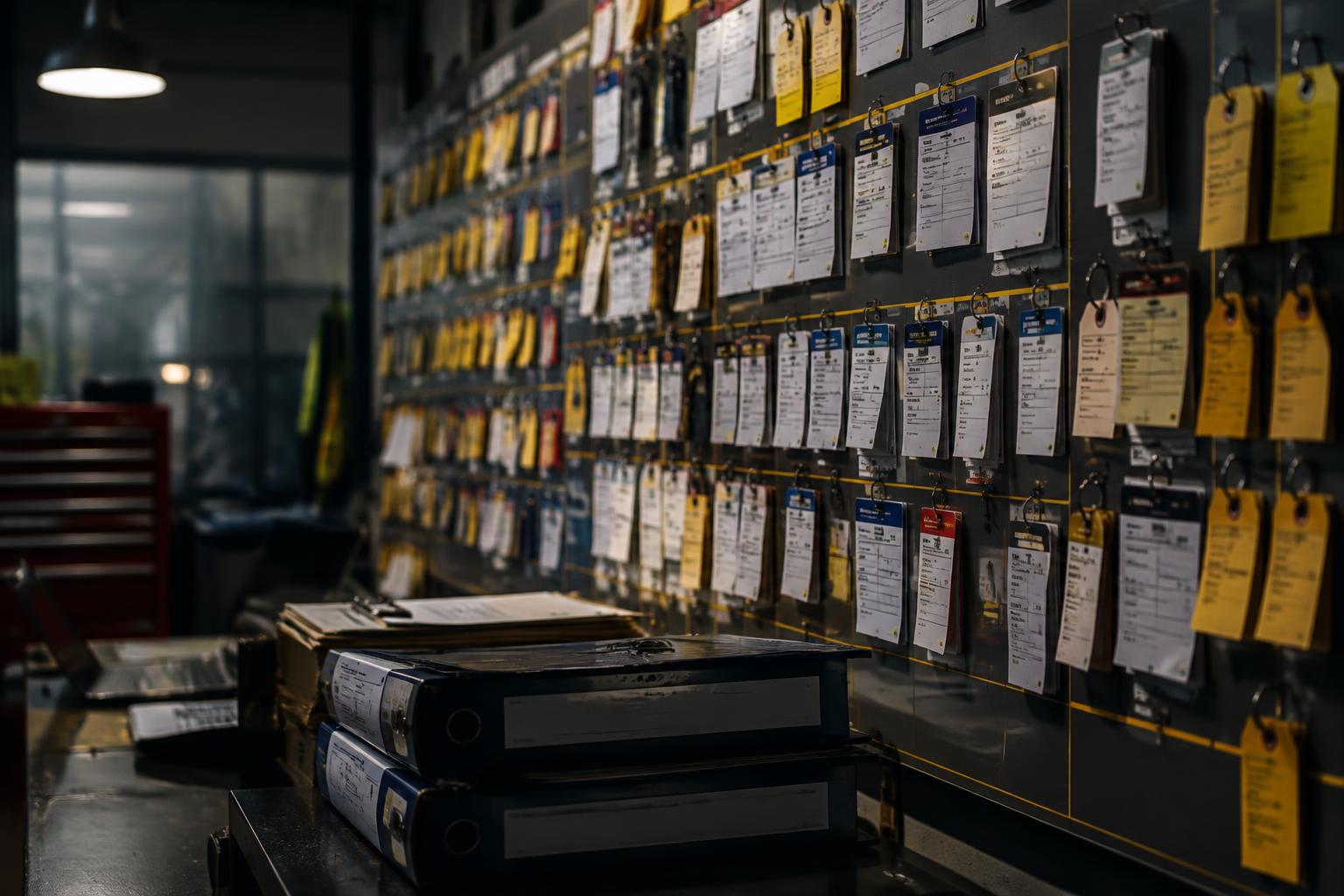
Assess outstanding work using labour hours, available capacity, age and risk. Separate work ready for execution from blocked requests, remove duplicates and prioritize without simply closing overdue orders.
Read the article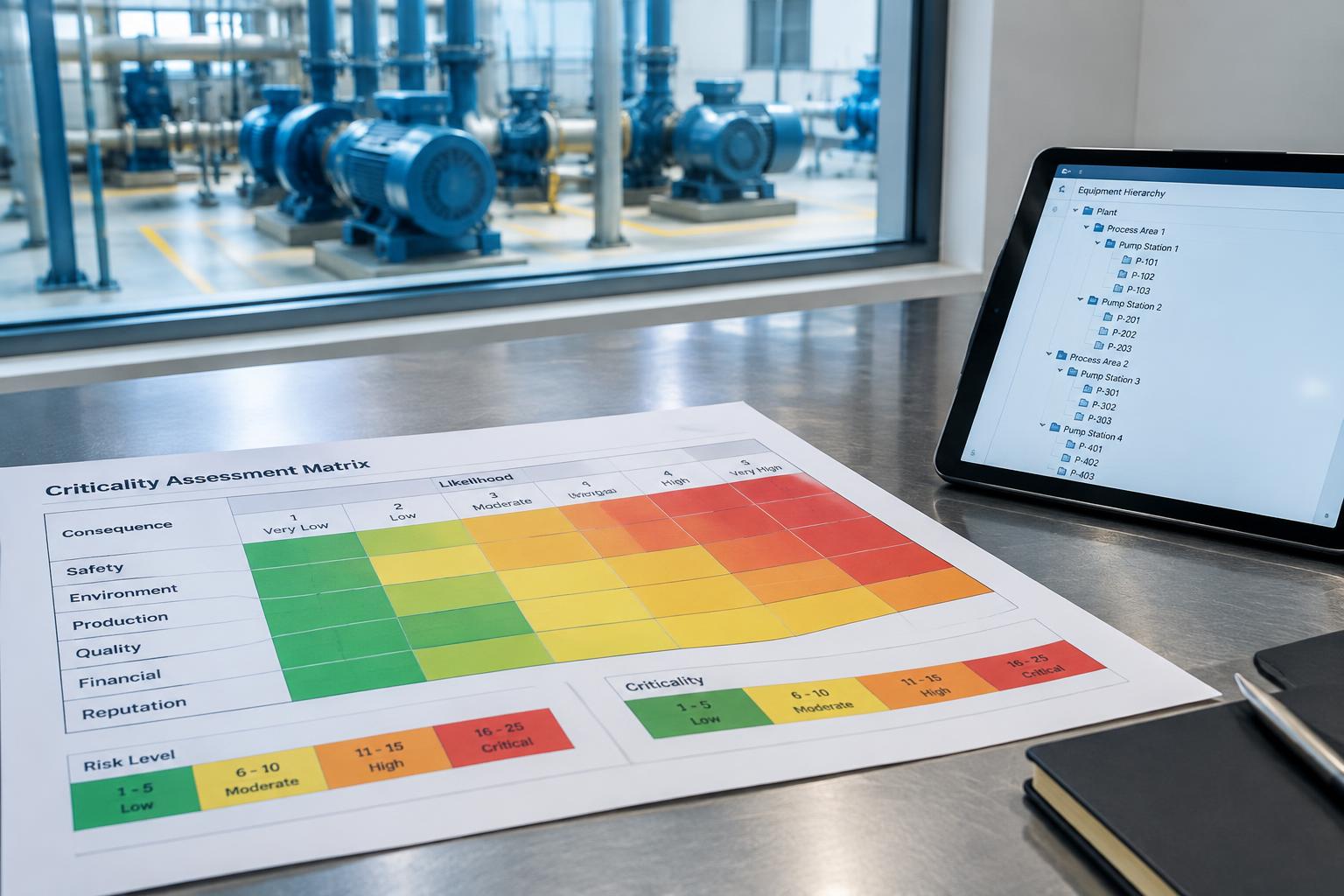
How to rank equipment by its impact on safety, production, quality and the environment — with an illustrated scoring matrix and the difference between asset criticality and work order urgency.
Read the articleSetting clear objectives, allocating resources where they have the most impact, and turning vision into an executable roadmap.
Read the article
Self-assessment, mentorship, change management and digital leadership: the levers of leadership that grows with the organization.
Read the article
Active listening, clarity and transparency transform collaboration and reduce day-to-day misunderstandings.
Read the article